
The Tailwise Field Guide
Everything your dog wishes you knew.
Practical answers for the time between two vet visits. Each article takes one question, answers it from the research, and ends with something you can check before the evening walk.
- One filter. Every article helps a dog live longer or live better. If it does neither, we do not publish it.
- Every fact has a source. The sources are listed at the end of each article.
- Your veterinarian comes first. We are not veterinarians. We help you notice more and ask better questions.
Behavior
What your dog is telling you all day. One behavior, one explanation from the research, one thing to check this evening.
-
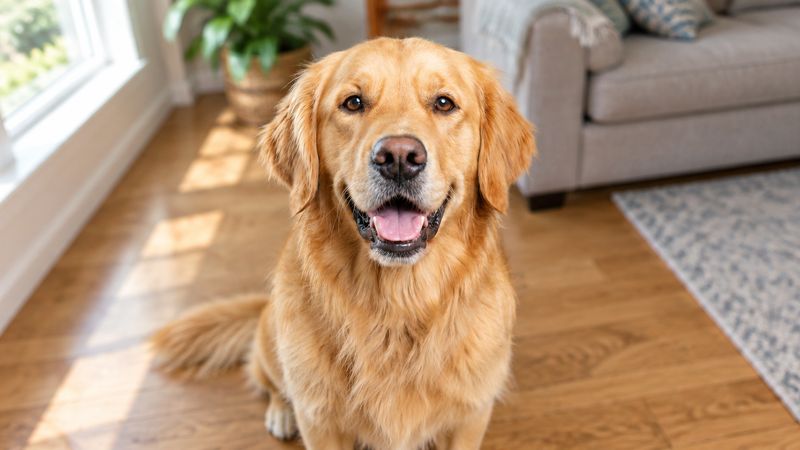
Why does my dog stare at me?
Mostly your dog is asking for something or checking in, and in a relaxed dog that eye contact is part of how you bond. A fixed stare with a stiff body, or an older dog staring into space, means something else.
4 min read
-
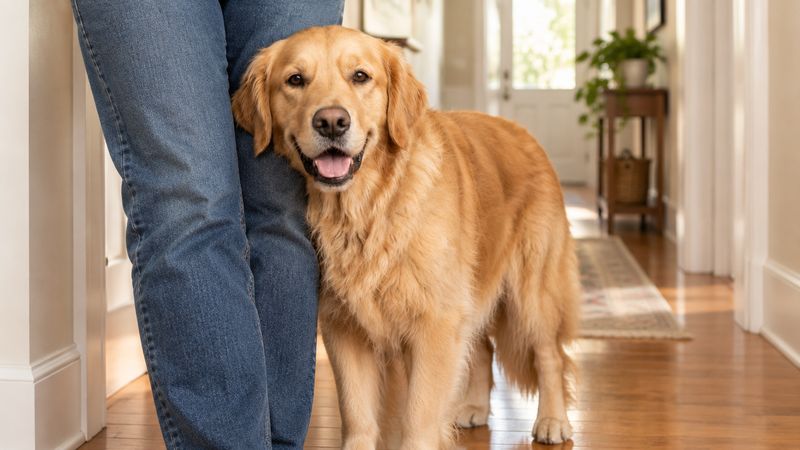
Why does my dog lean on me?
Your dog leans on you for contact and reassurance, because you are its secure base. It is not dominance. If the leaning is new, or your dog seems to be taking weight off a leg, look closer.
4 min read
-
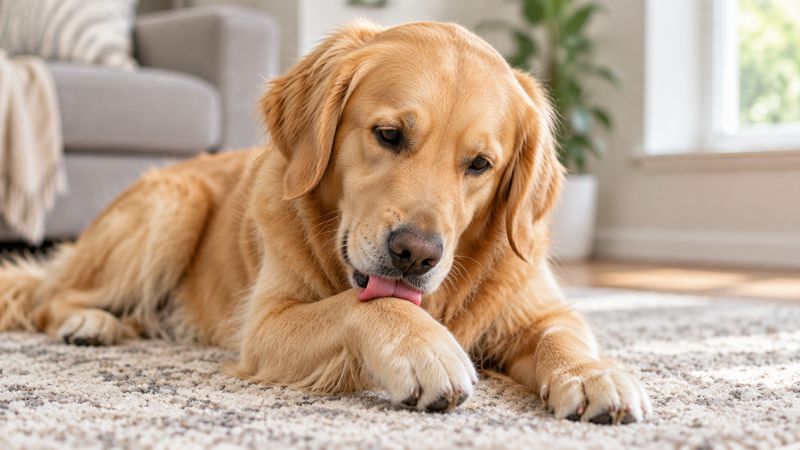
Why does my dog lick his paws?
A little paw licking is grooming. Frequent, intense licking usually means the paw itches or hurts, most often from allergies, something lodged, an injury, infection or pain, and it is worth a call to your veterinarian.
4 min read
Life Stage
How time passes for a dog. What changes in which year, and the number that applies to your own dog.
-

When is a dog considered a senior?
A dog is a senior once it reaches the last 25% of its estimated lifespan. That means about 6 to 7 years for giant breeds and 8 to 11 years for small dogs.
4 min read
-

How do dog years convert to human years?
Not by multiplying by seven. A dog's first year equals roughly 15 human years, the second adds about 9, and each year after adds about 5. A DNA-based formula gives a second estimate.
4 min read
-
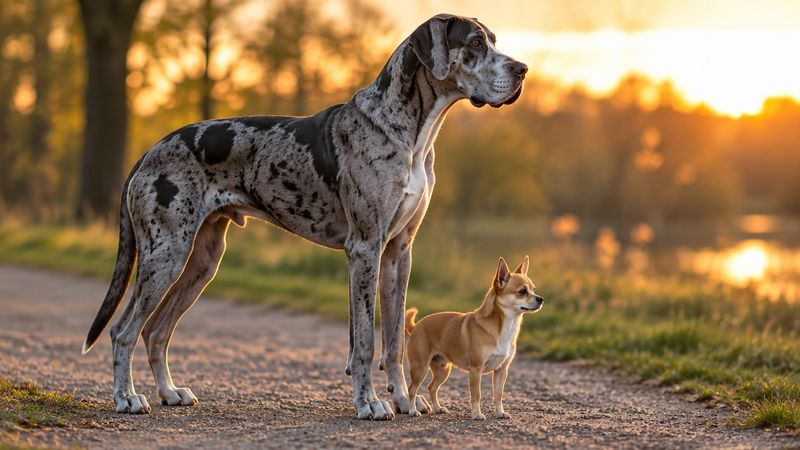
Why do big dogs have shorter lives than small dogs?
Mainly because large dogs age at a faster rate once aging begins. In a UK study of 584,734 dogs, large breeds had a median lifespan of 11.9 years against 12.7 for small breeds.
5 min read
Health Questions
Questions the internet answers badly. What veterinary bodies say, in plain words, and what to tell your own veterinarian.
-

How can I tell if my dog is in pain?
Look for a change from your dog's own normal: posture, movement, appetite, mood, or reaction to touch. Veterinary guidelines say dogs adjust their behavior to minimize pain, so the signs are often quiet.
4 min read
-
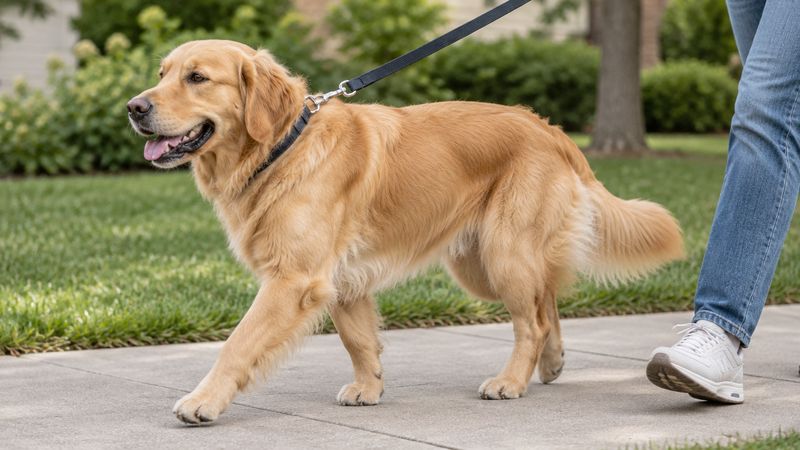
My dog is limping: when is it a vet visit today?
Same day if your dog will not bear weight, cannot move the leg, or is in obvious pain, or if the limp is sudden, severe, or worsening. Veterinary sources say a mild limp that lasts more than 24 hours also needs a visit.
4 min read
-

What bloodwork does a senior dog need, and how often?
AAHA's senior care guidelines recommend a CBC, a chemistry panel, and a urinalysis every 6 to 12 months, with a thyroid test and blood pressure check once a year. Your veterinarian adjusts that list for your dog.
5 min read
Joints & Mobility
What the research says before you buy anything. The evidence on joint support, including where it runs out.
-

Is green lipped mussel better than glucosamine for dogs?
The dog research leans toward green lipped mussel and other omega-3 sources, and away from glucosamine with chondroitin. The trials are small, and neither one replaces weight control or veterinary care.
4 min read
-

What are the early signs of joint problems in dogs?
The early signs are changes in behavior: slower to rise, hesitating at stairs or the car, shorter play. A limp usually comes later, and X-ray studies find joint changes in dogs much younger than most owners expect.
4 min read
-
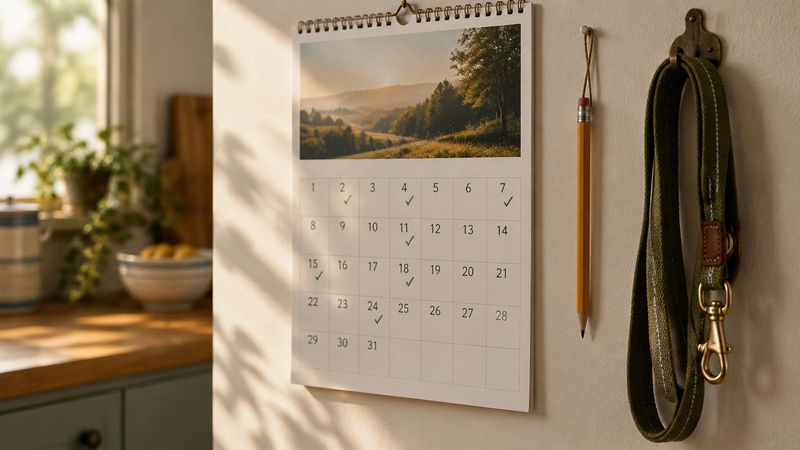
How long does a joint supplement take to work in a dog?
Weeks, not days, and not every dog responds. Clinical trials in dogs ran from 28 to 180 days, so the fair test is a written baseline and a re-check at fixed points.
4 min read
Do It Tonight
One job, finished this evening. Checklists you can complete at home and bring to your next appointment.
-
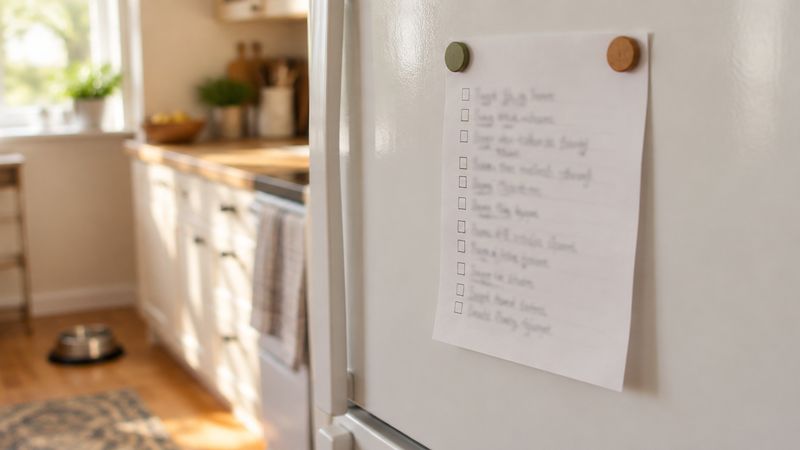
What are the signs of aging in dogs? A checklist for your fridge
Nine changes cover most of what veterinary sources ask owners of older dogs to watch: movement, sleep, weight, thirst, appetite, breath, senses, behavior, and lumps. Put them on one dated sheet where the whole household can see it.
4 min read
-
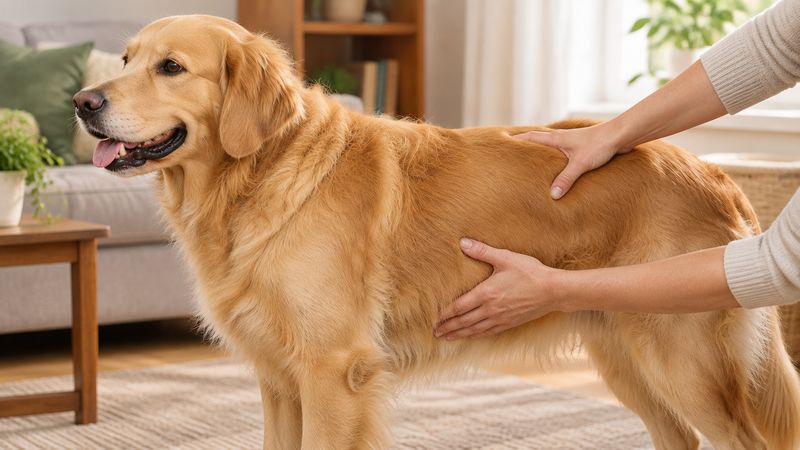
How to do a 10-minute nose-to-tail home health check on your dog
Once a month, spend ten minutes on six checks: body condition, sleeping breathing rate, gums and teeth, skin and coat, paws and nails, and movement. Write the results down and bring them to your veterinarian.
5 min read
-

What should you ask your vet? Write the questions before the visit
Write six to twelve questions tonight, and bring dated notes, a phone video, and a full list of everything your dog eats and takes. The appointment is short; preparation is what makes it count.
5 min read